
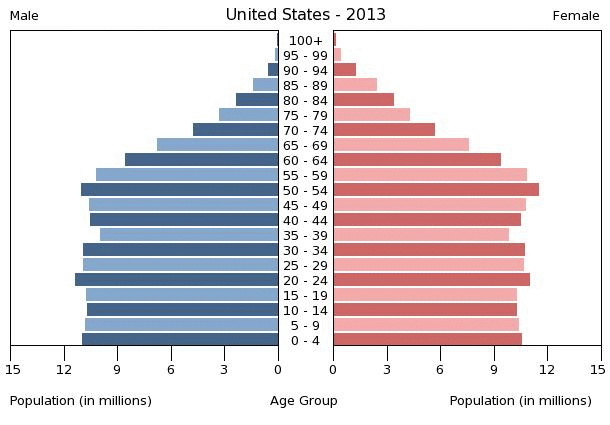
 |
| source: http://www.indexmundi.com/ |
I want to ask people about their personal experience of that tumultuous time and understand how it has shaped the culture and consciousness of the people.
However, I have hardly spoken to a person over the age of 40. It may be that older Nicaraguans are less inclined to speak to a gringa for various reasons. But frankly, I don't run into that many. At 39 I'm the oldest person in my office.
I wonder about the dynamics this creates about the place of history and memory. Perhaps it is best that there are so many people who can't remember the torture of the dictator, the bloody fighting that took place in cities and the countryside, and the extreme shortages of food and other basic supplies in the 80s. Perhaps they are more hopeful and unfettered.
But I also think experience brings wisdom. How do they avoid repeating the mistakes that were made in the recent past? How do they avoid a questionable government rewriting history in their favor as they rewrite the schoolbooks?
Regardless, I have really appreciated everyone sharing their experience with me and answering my endless stream of questions, even if they can't answer what it was like to live through the war.

No comments:
Post a Comment